Cum Grano Salis Exhibition
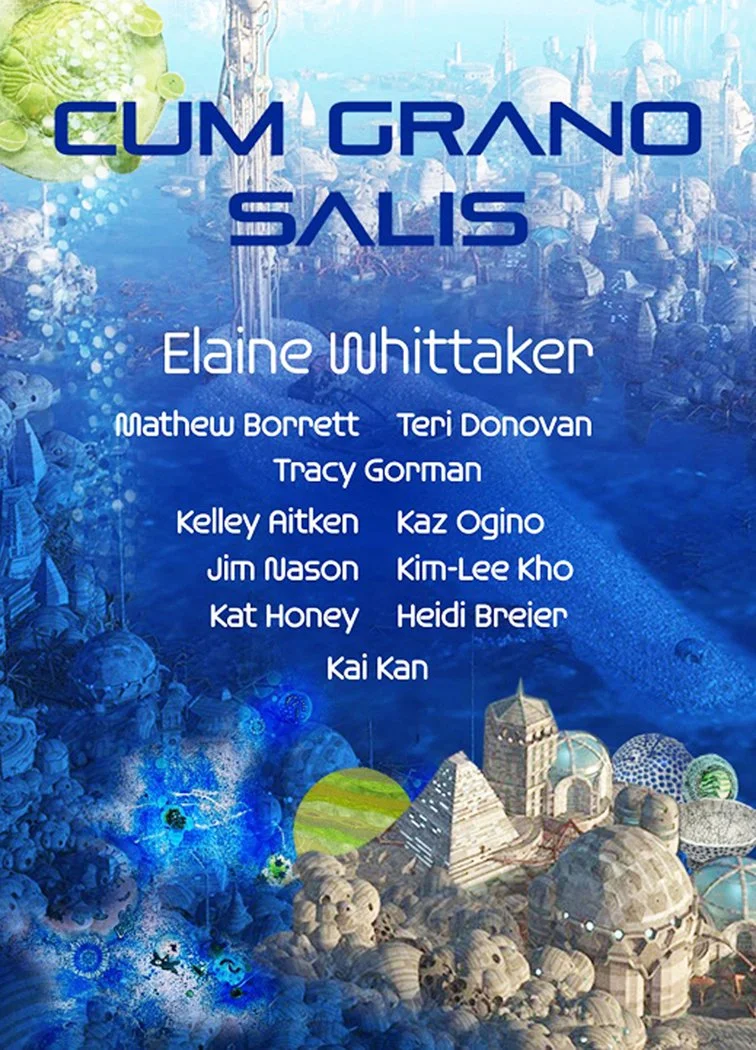
CUM GRANO SALIS
Red Head Gallery, 115-401 Richmond St. W., Toronto, Canada
March 4-28th, opening reception March 7th, 2-5pm.
With: Mathew Borrett, Teri Donovan, Tracy Gorman, Kelley Aitken, Kaz Ogino, Jim Nason, Kai Kan, Kim-Lee Kho, Heidi Breier, Kat Honey
Cum grano salis (Latin for ‘with a grain of salt’) is an expression of skepticism. In an era saturated with images, data, and competing truths, the potential for exaggeration and distortion is greater than ever. Doubt is integral to how we perceive and interpret the world today. We move continuously between trust and mistrust, truth and fabrication, constantly pausing to reassess what we have just seen, heard, or absorbed.
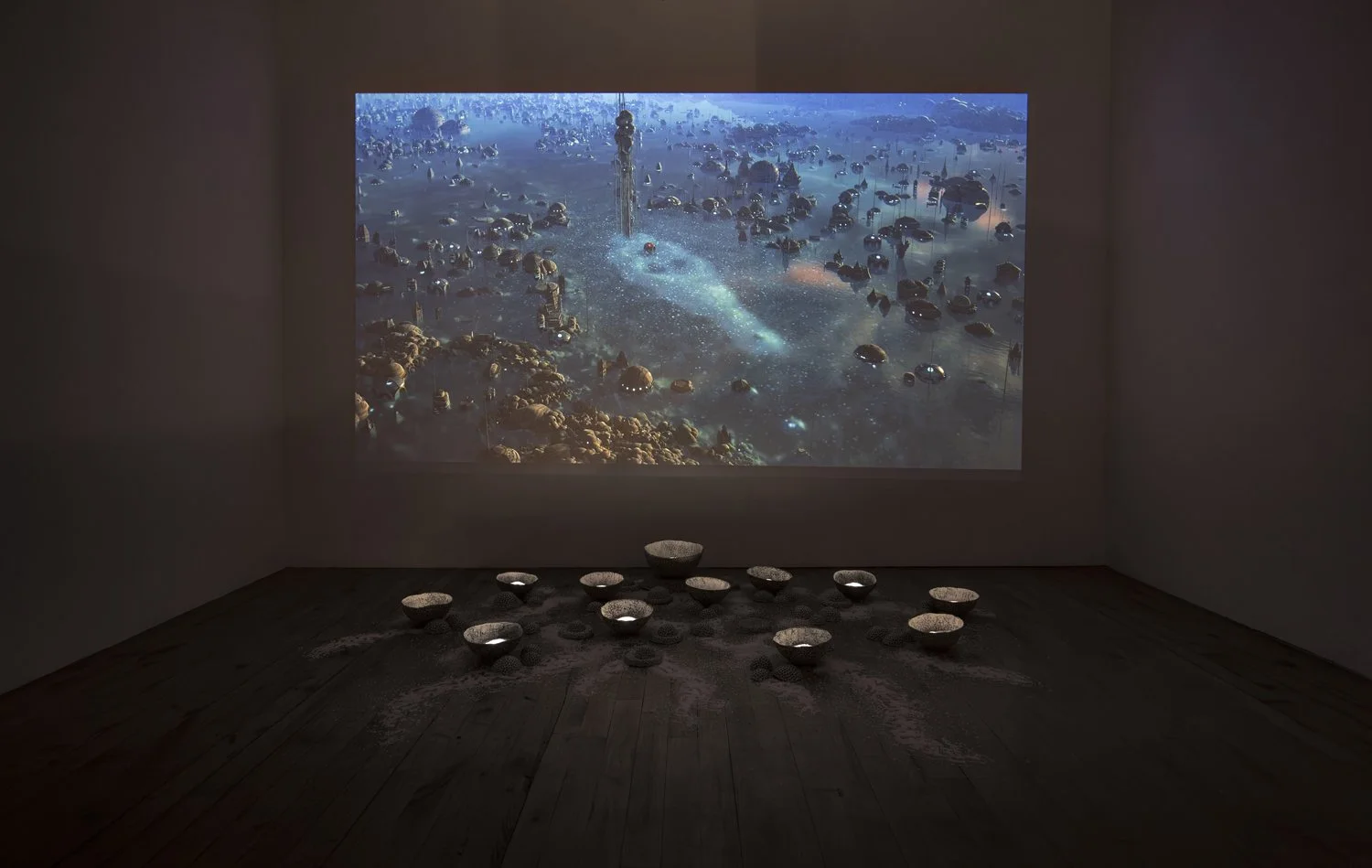
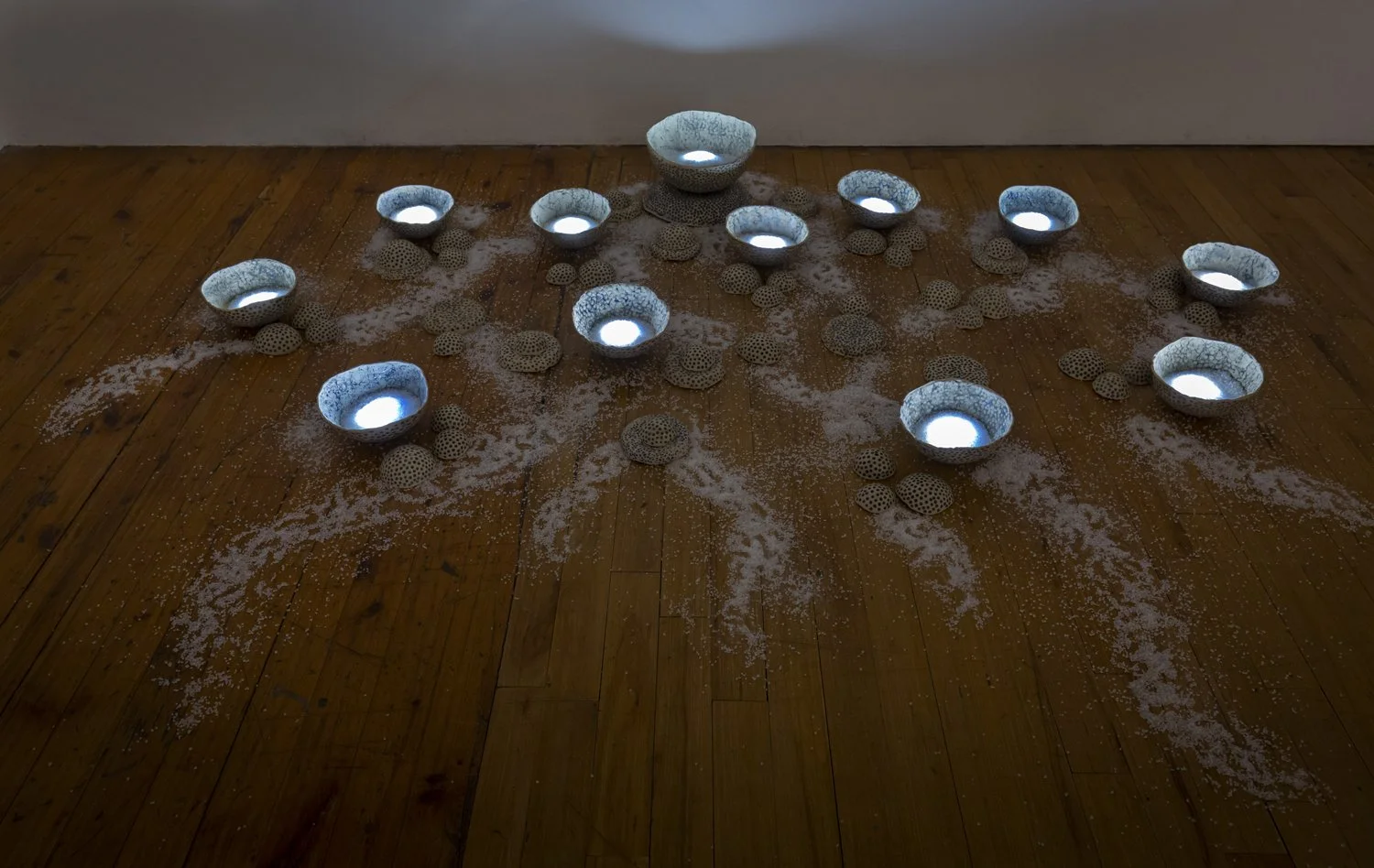
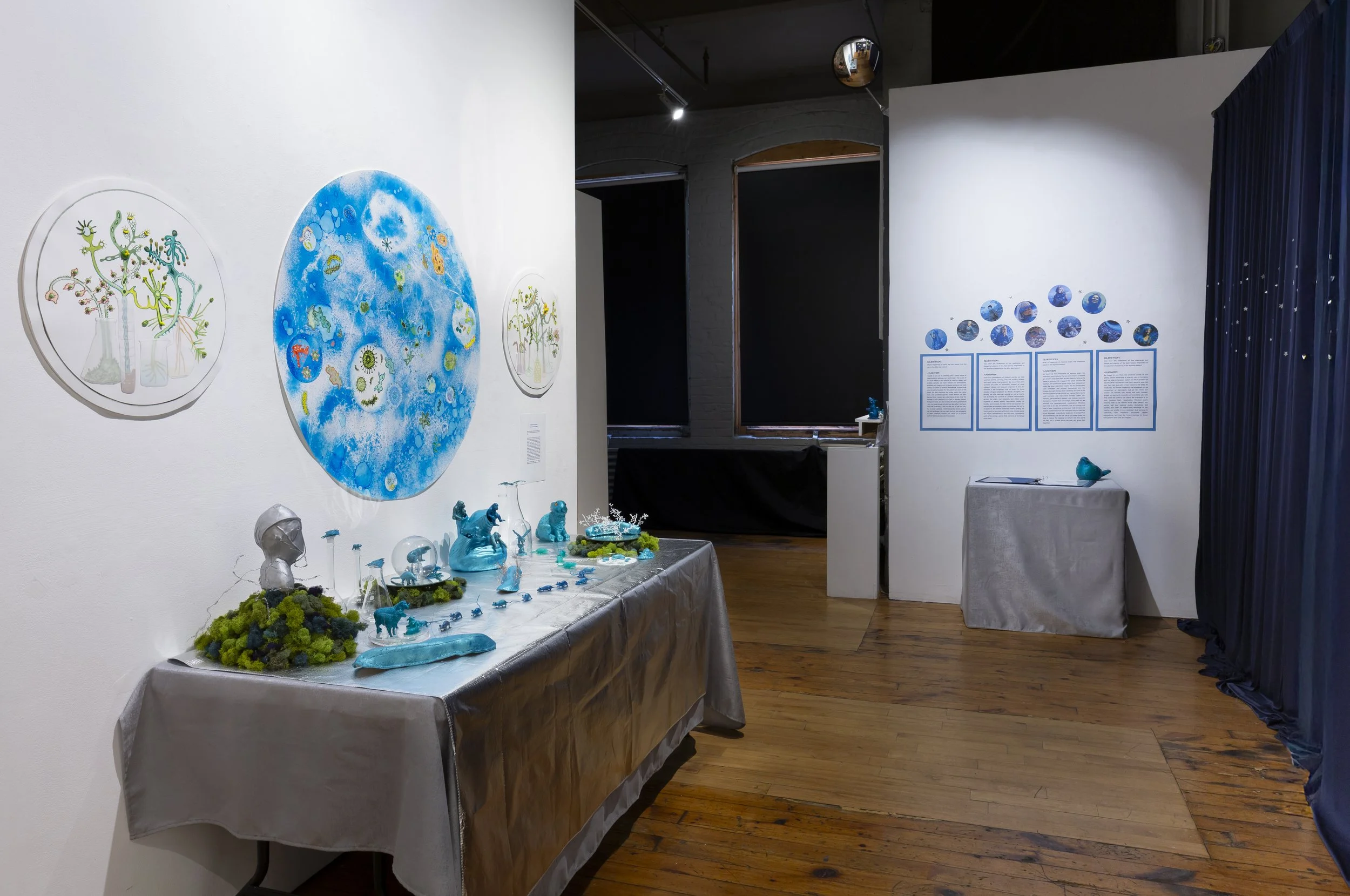
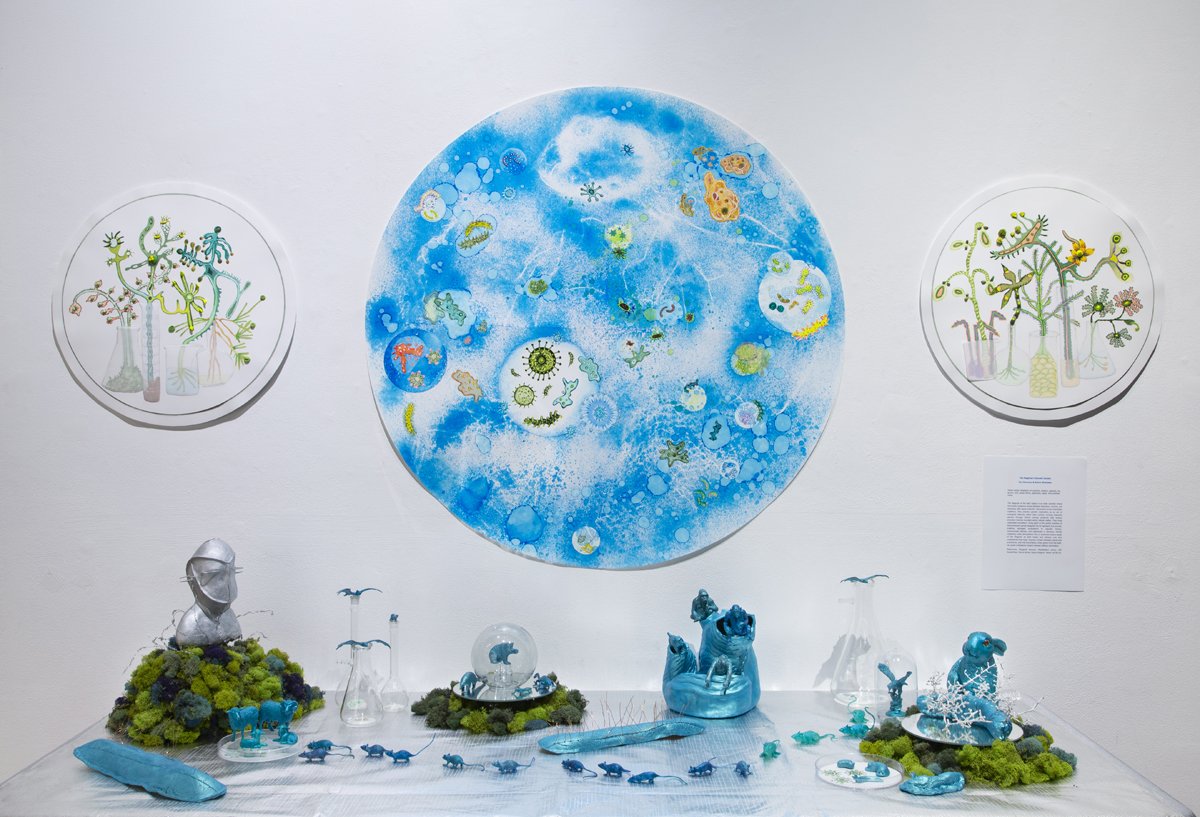
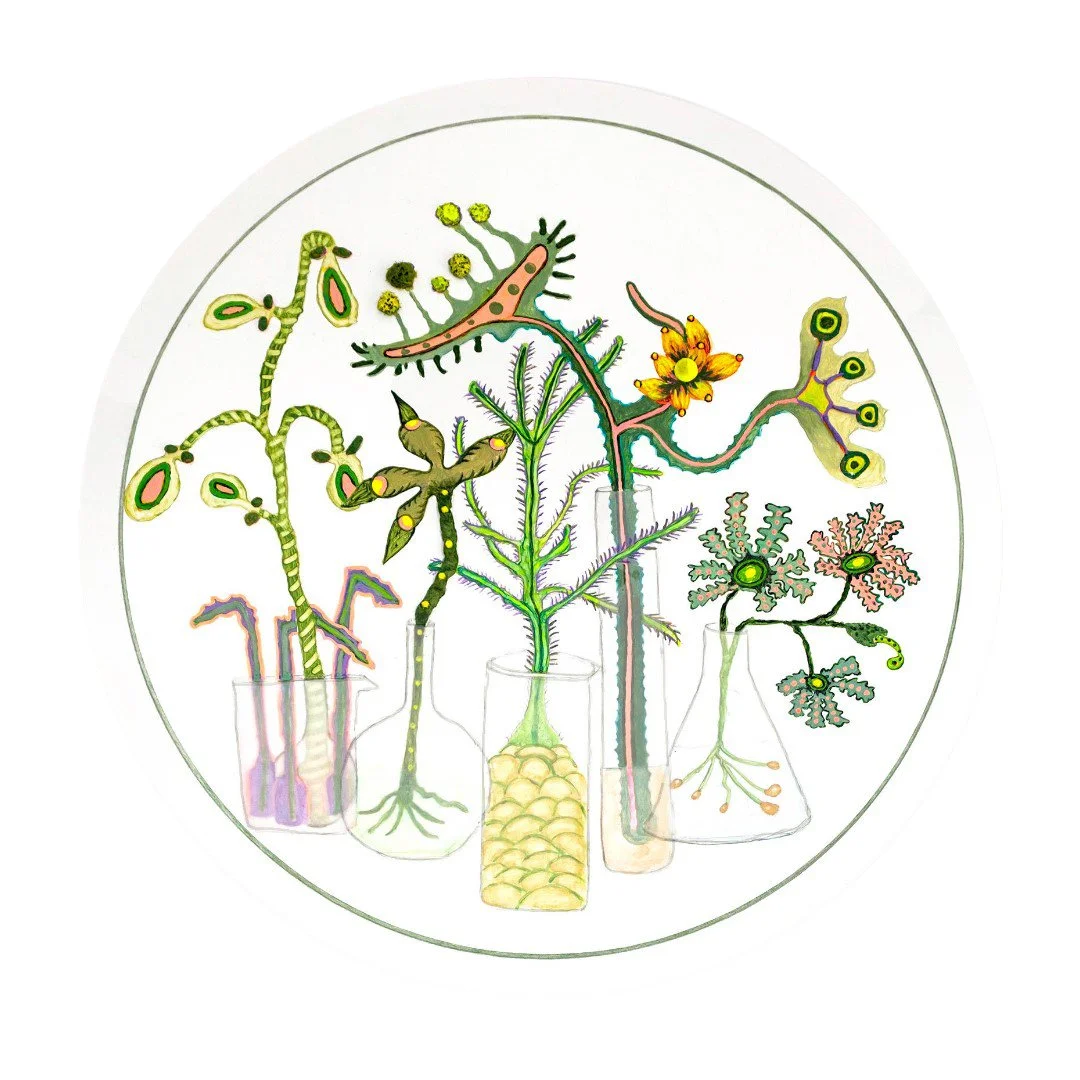
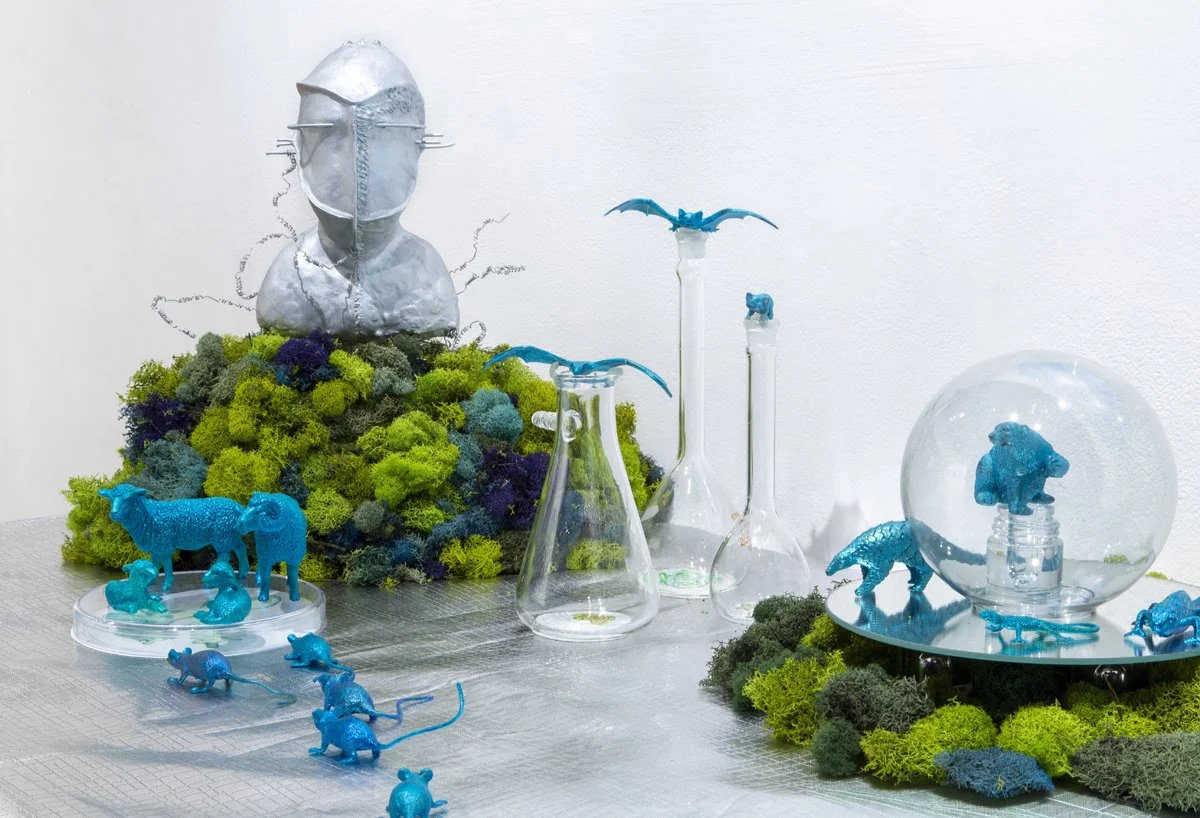
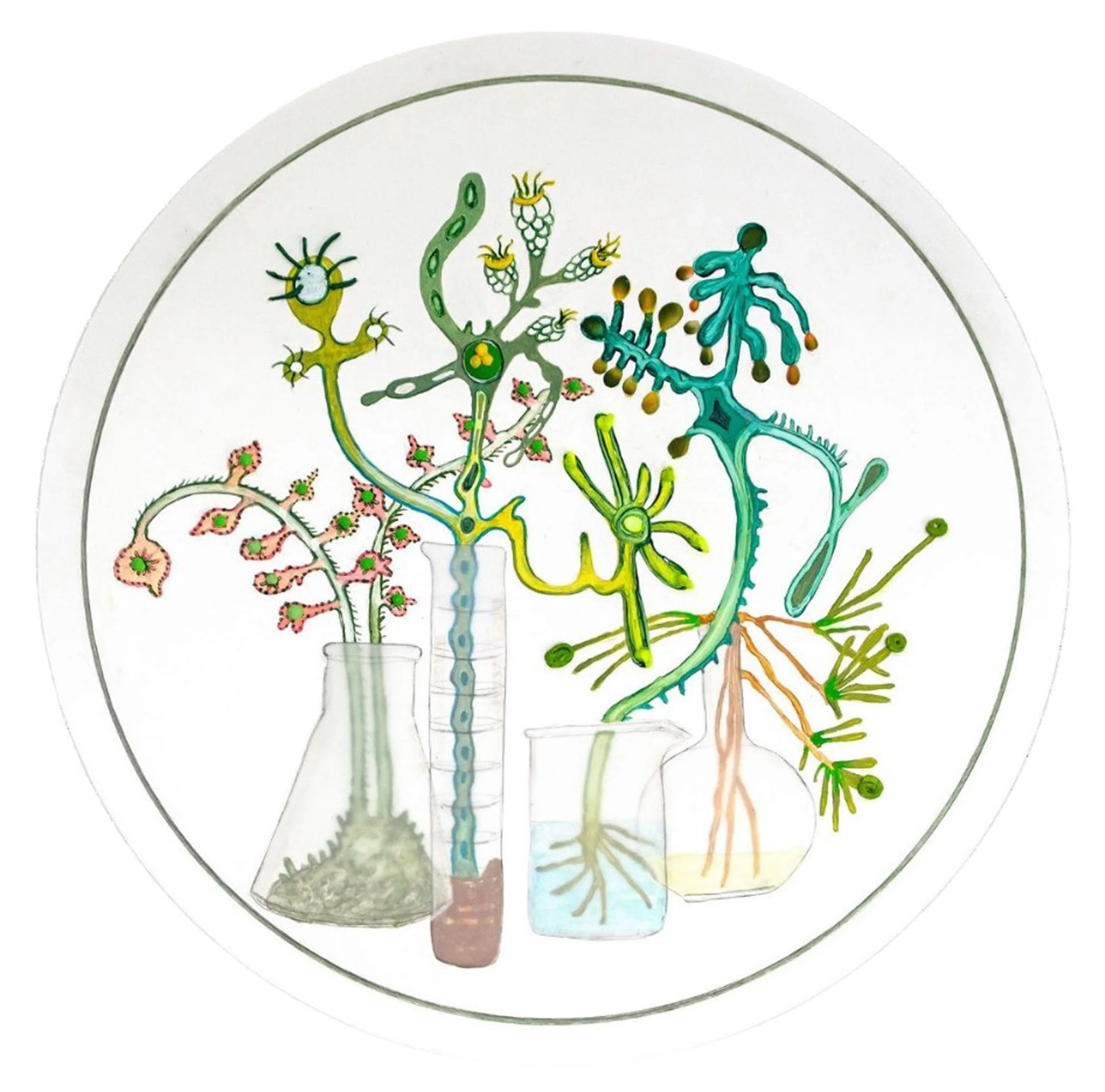
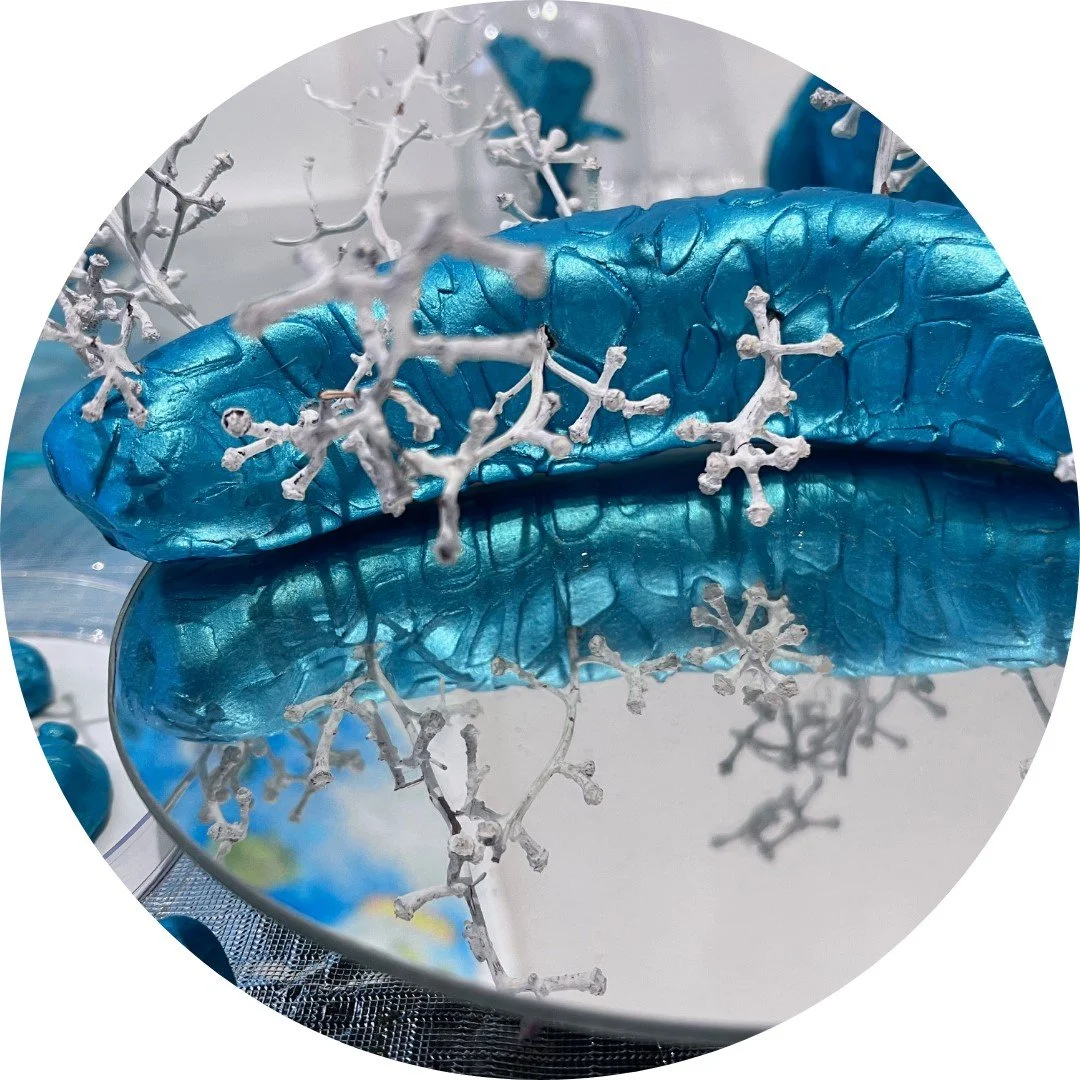
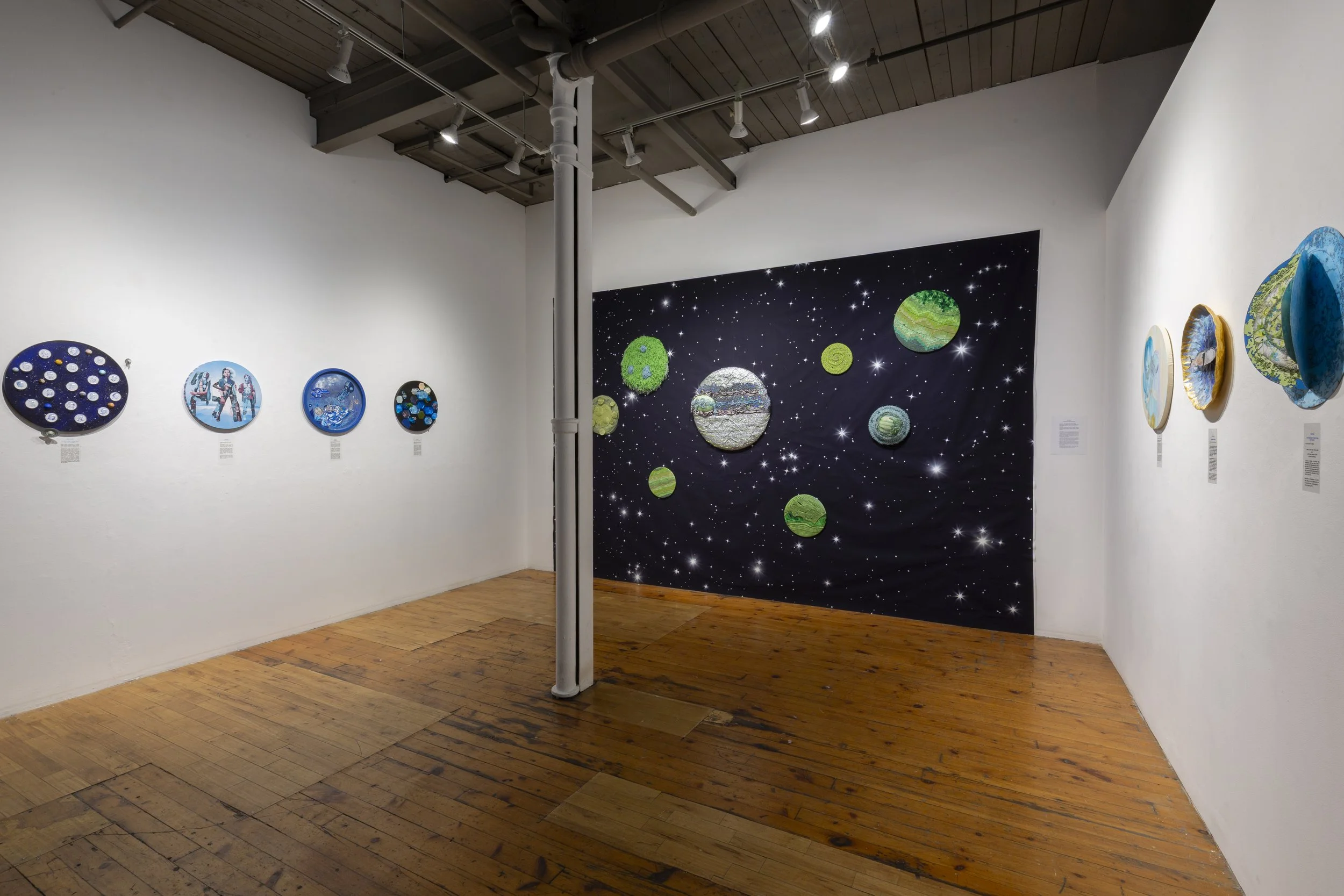
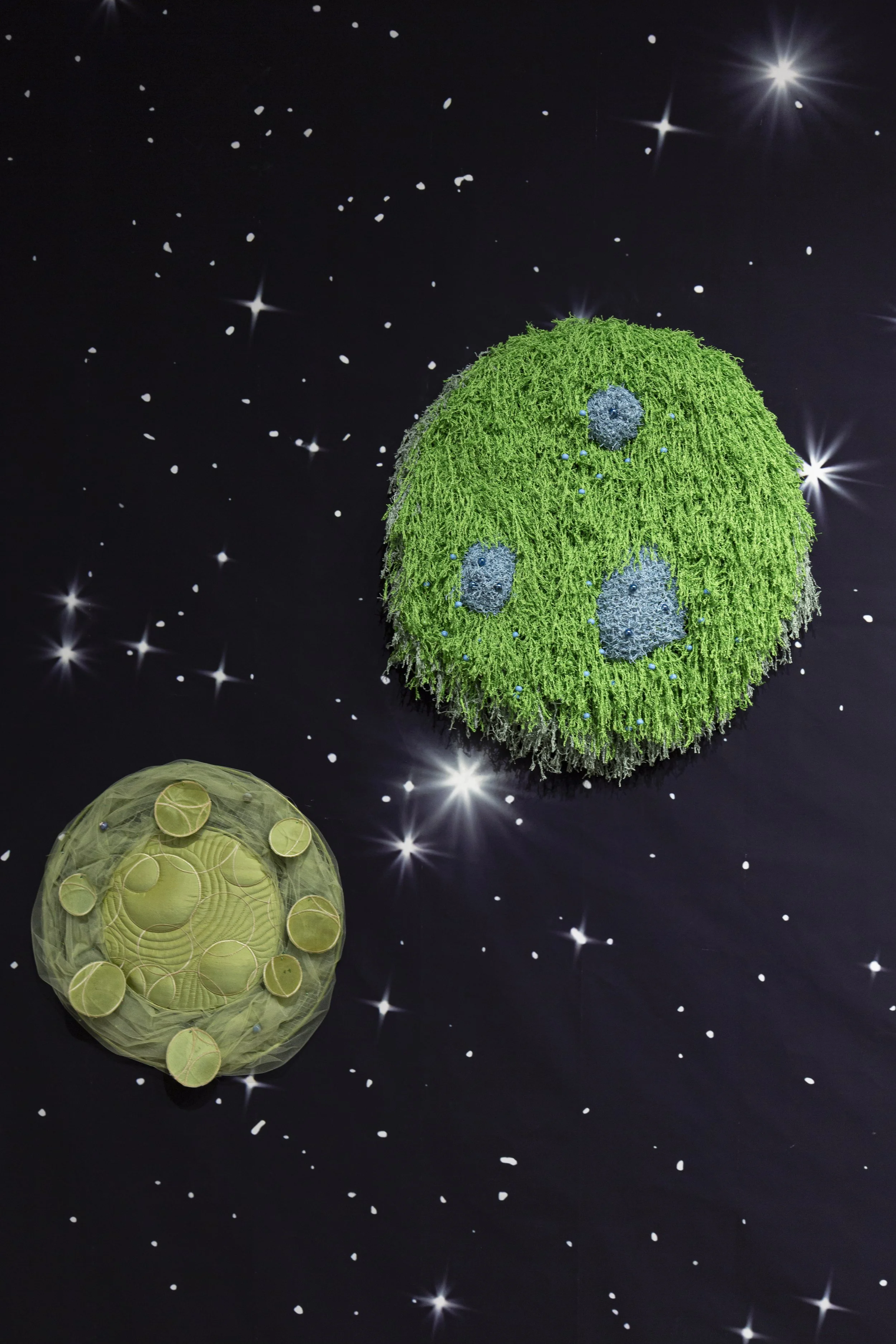
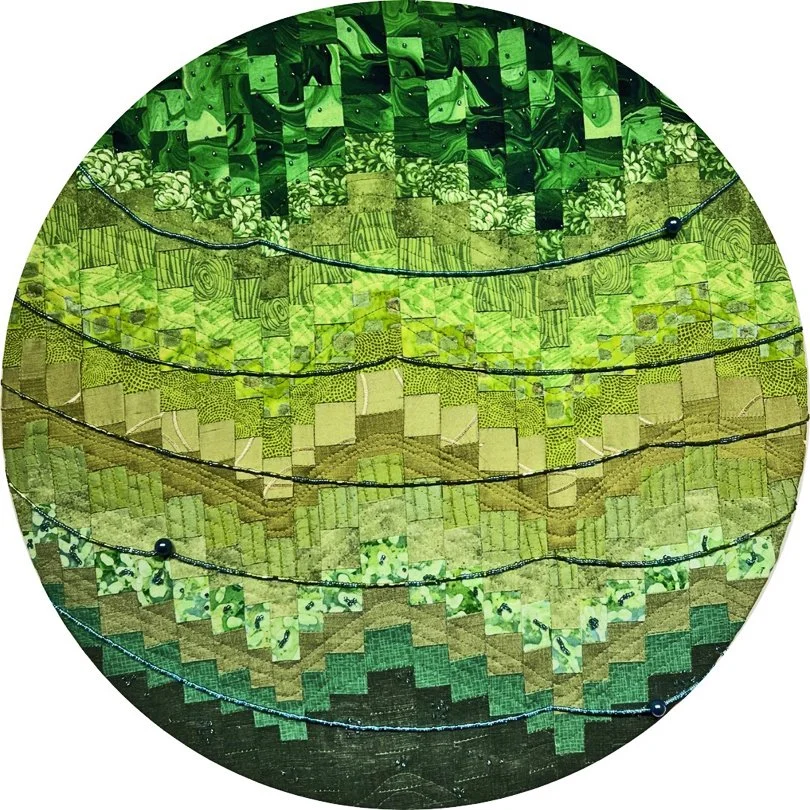
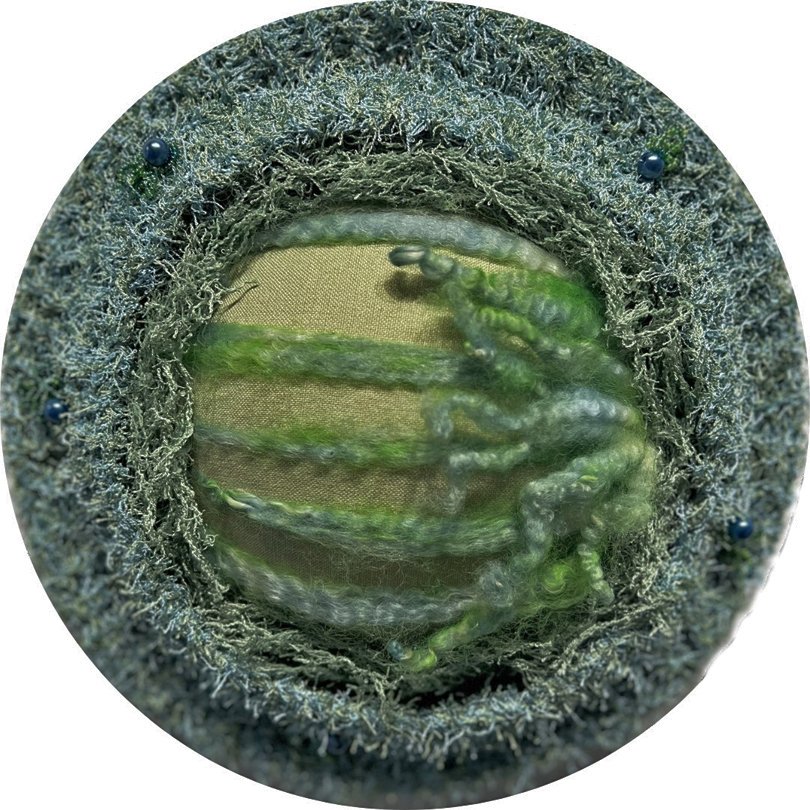
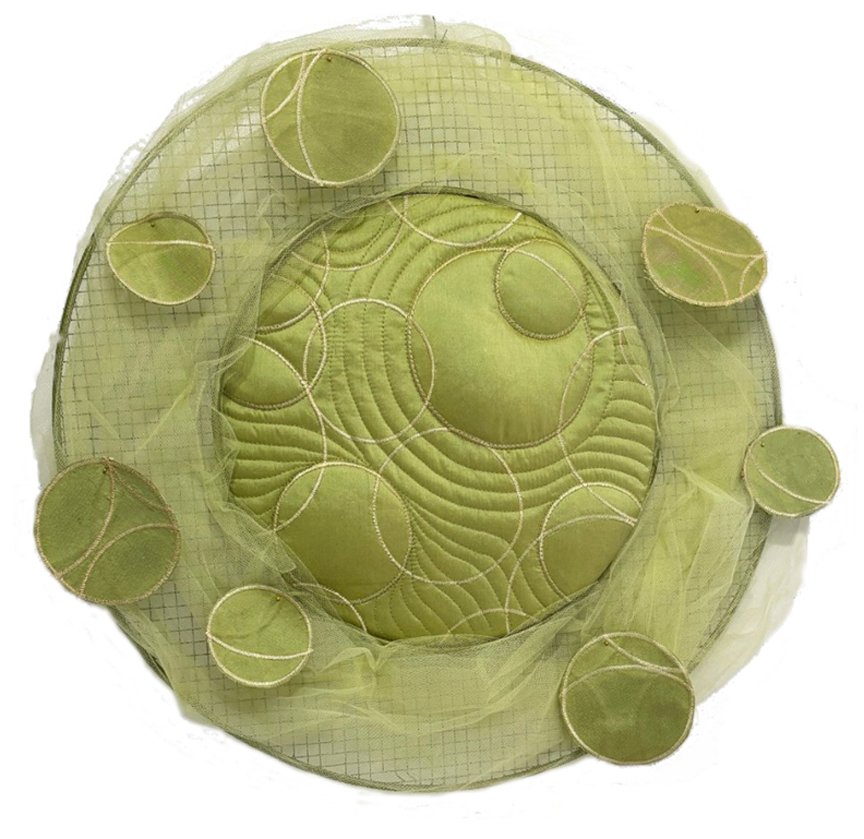
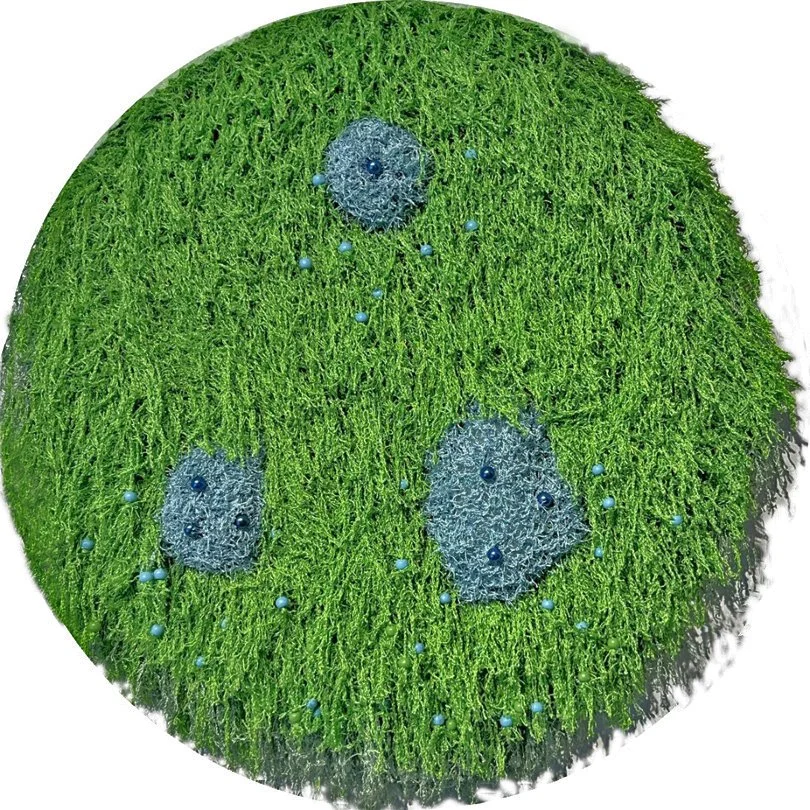
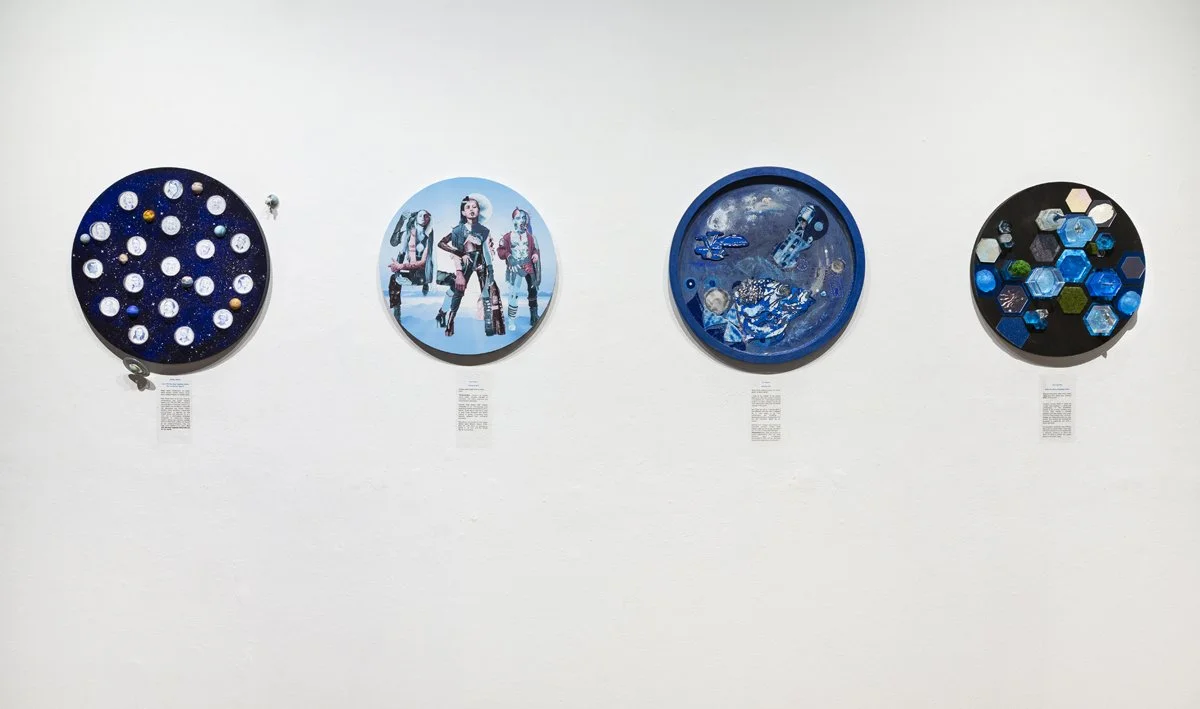
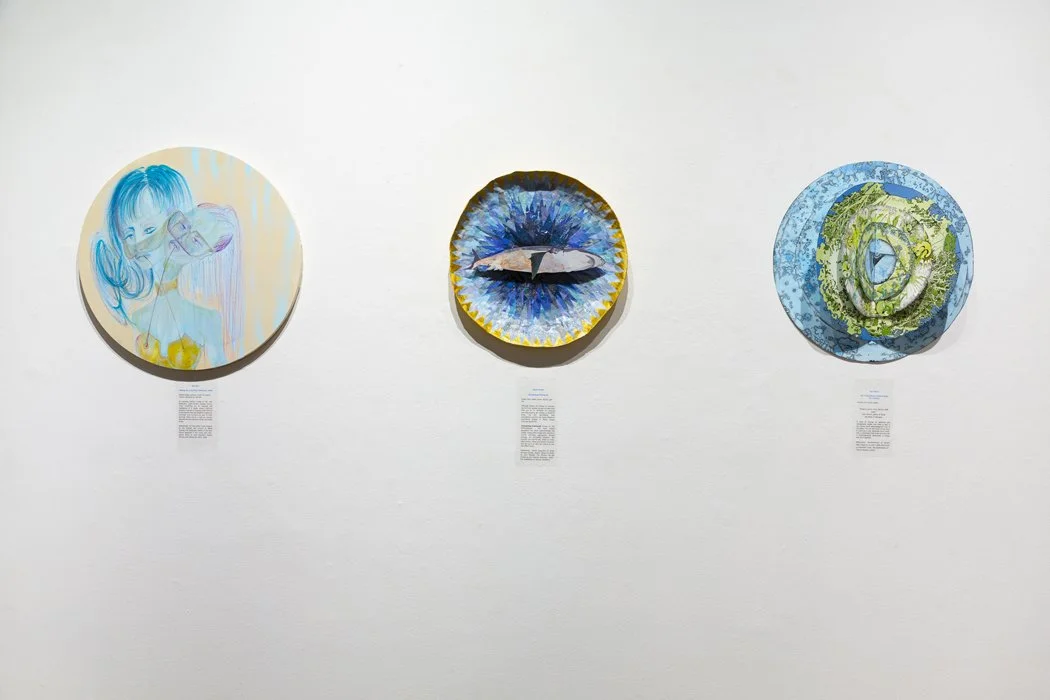
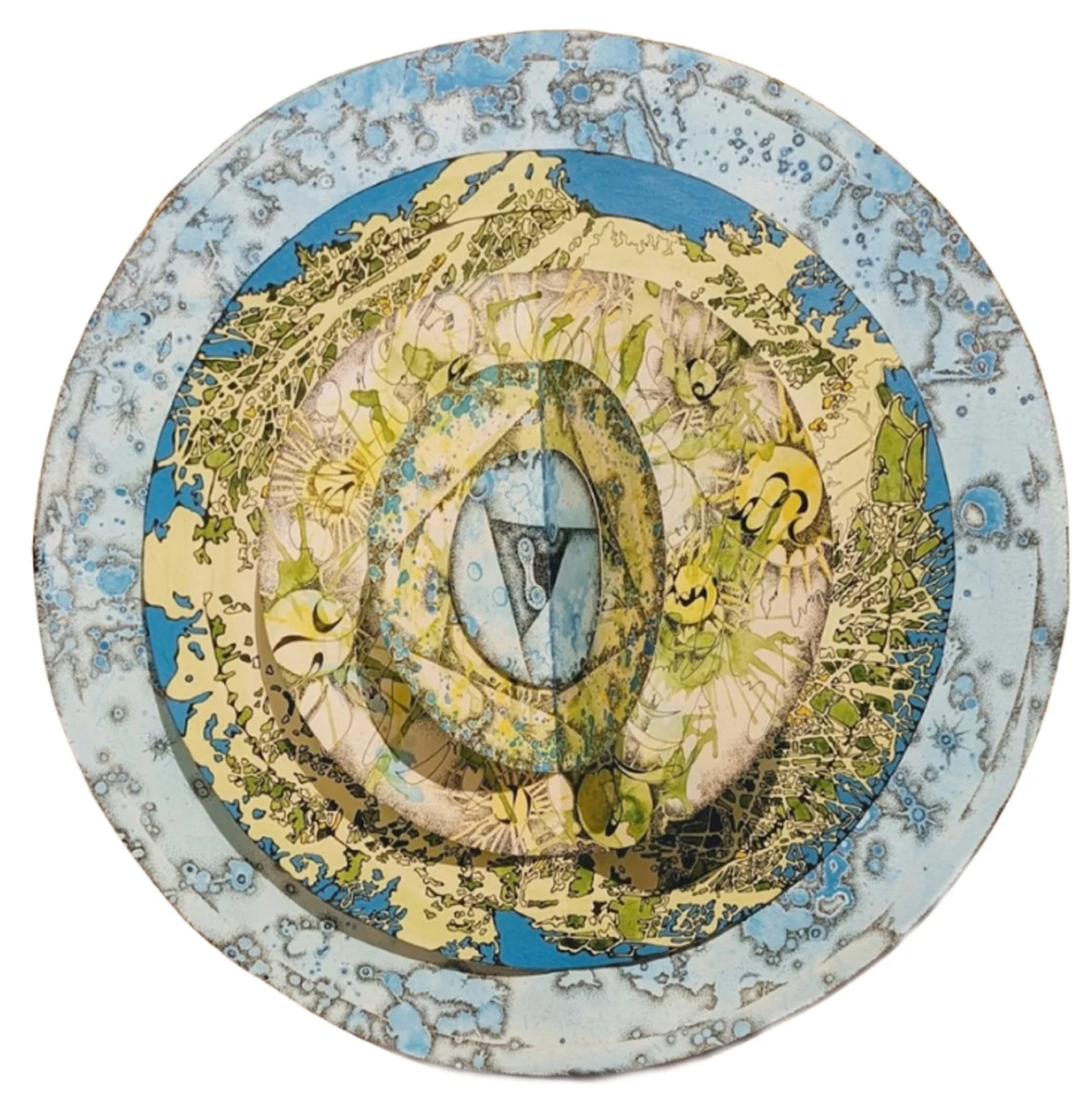
Cum Grano Salis invites viewers to enter a constellation of speculative worlds in which uncertainty is not an exception but a condition. Across installations, video, and mixed media artworks, Elaine Whittaker both curates and collaborates with ten artists to imagine what forms of life, survival, and coexistence might emerge on a rapidly changing planet. Drawing on depictions of climate change in speculative and science fiction, the artworks unfold through narrative, atmospheric, and embodied experiences. The changes are not a distant abstraction but something we now feel, inhabit, and negotiate.
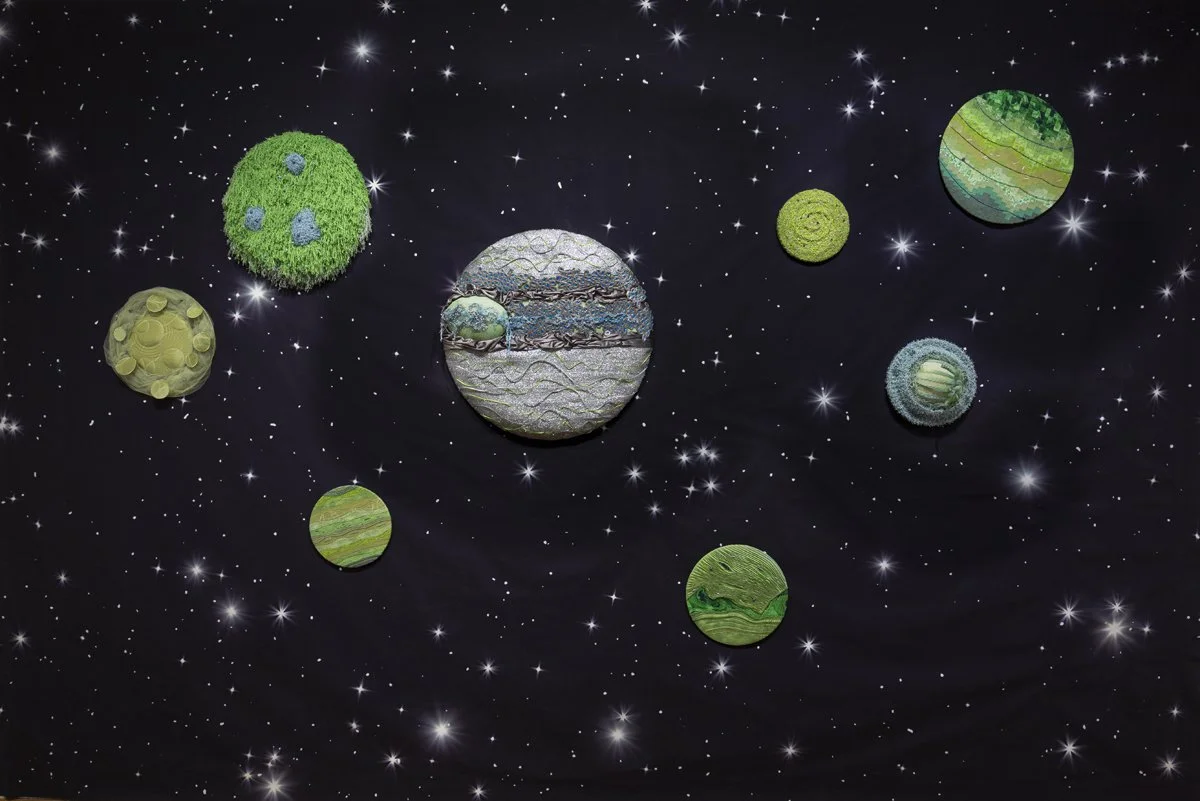
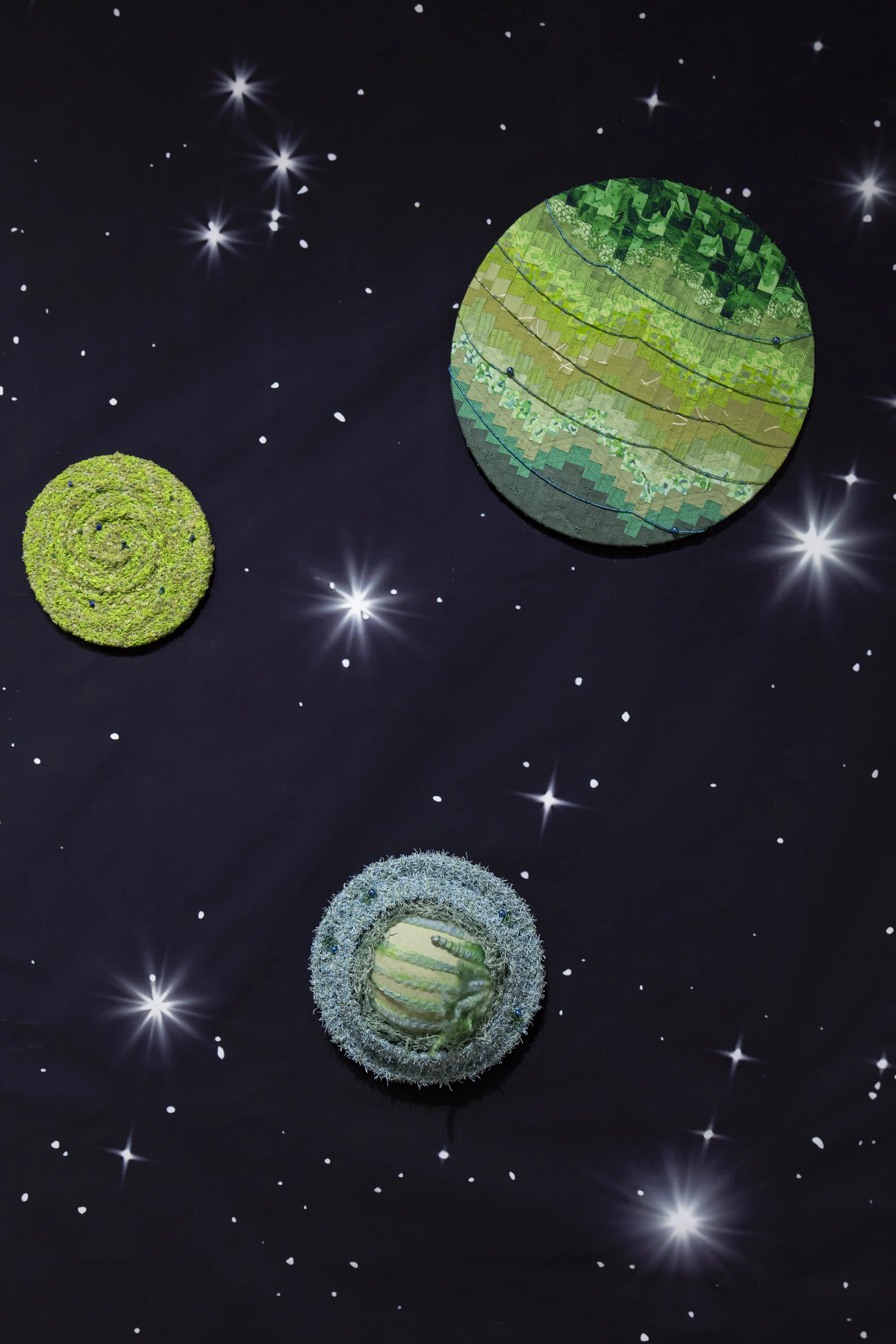
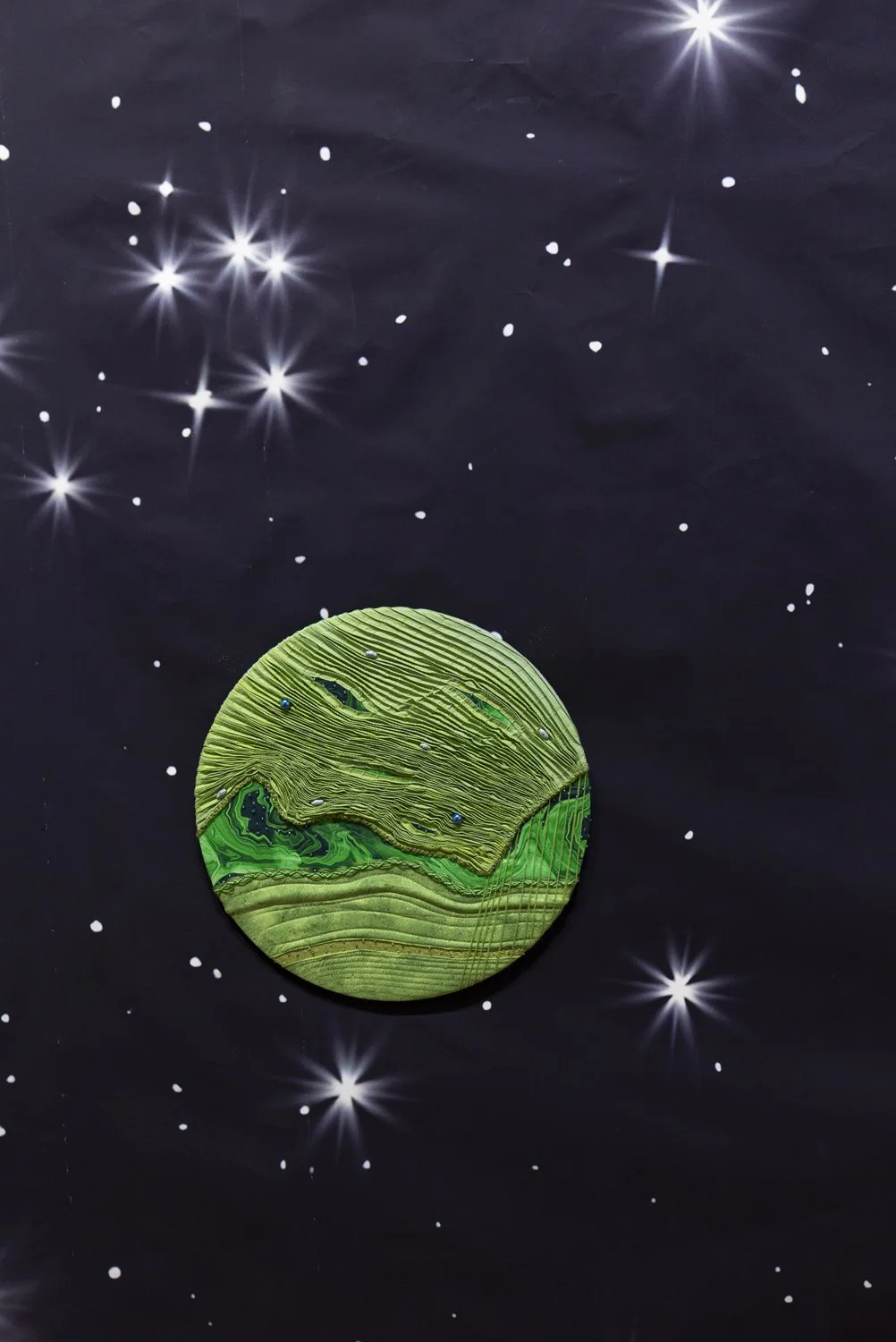
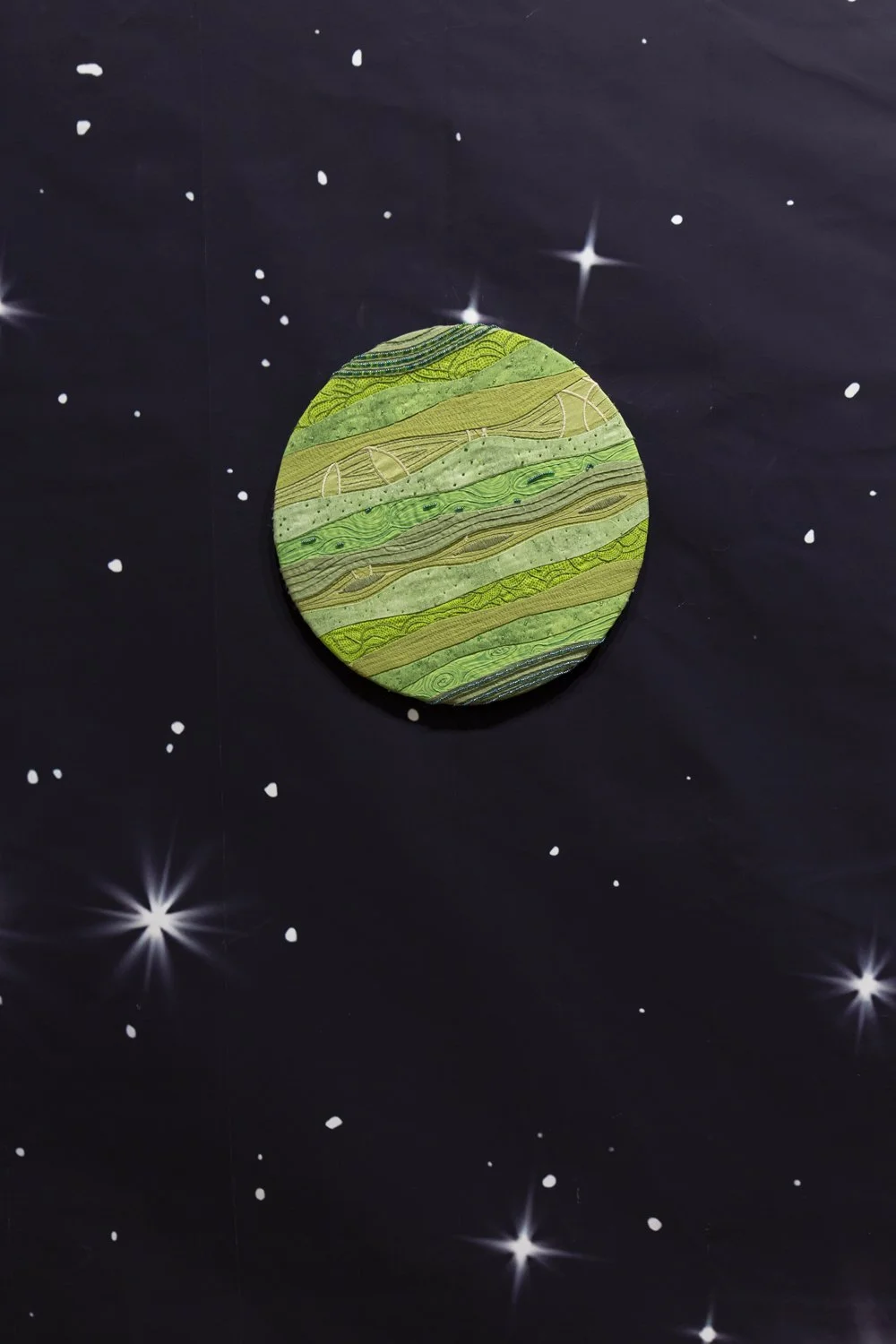
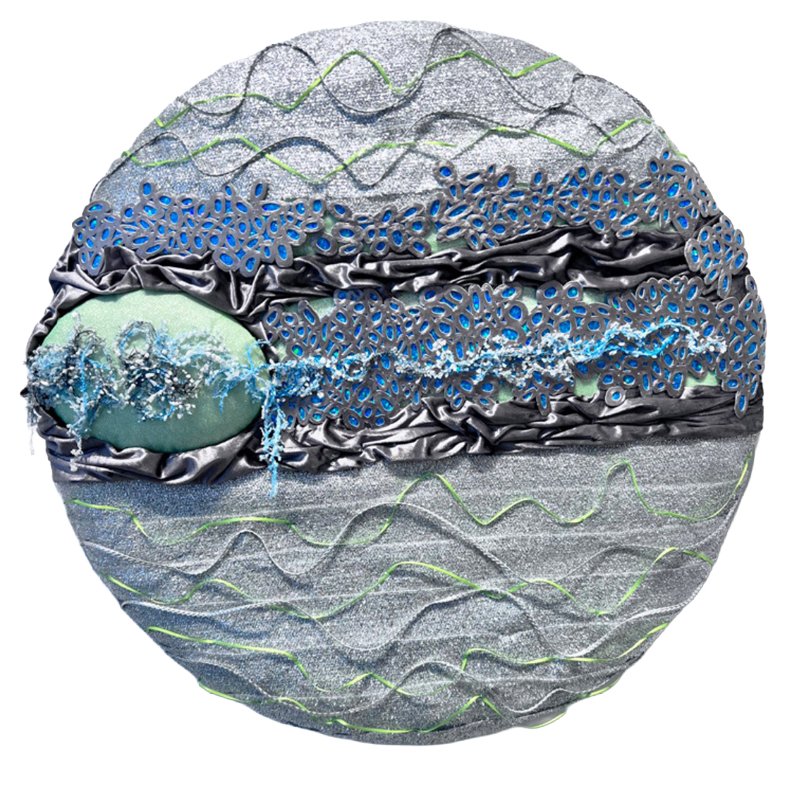
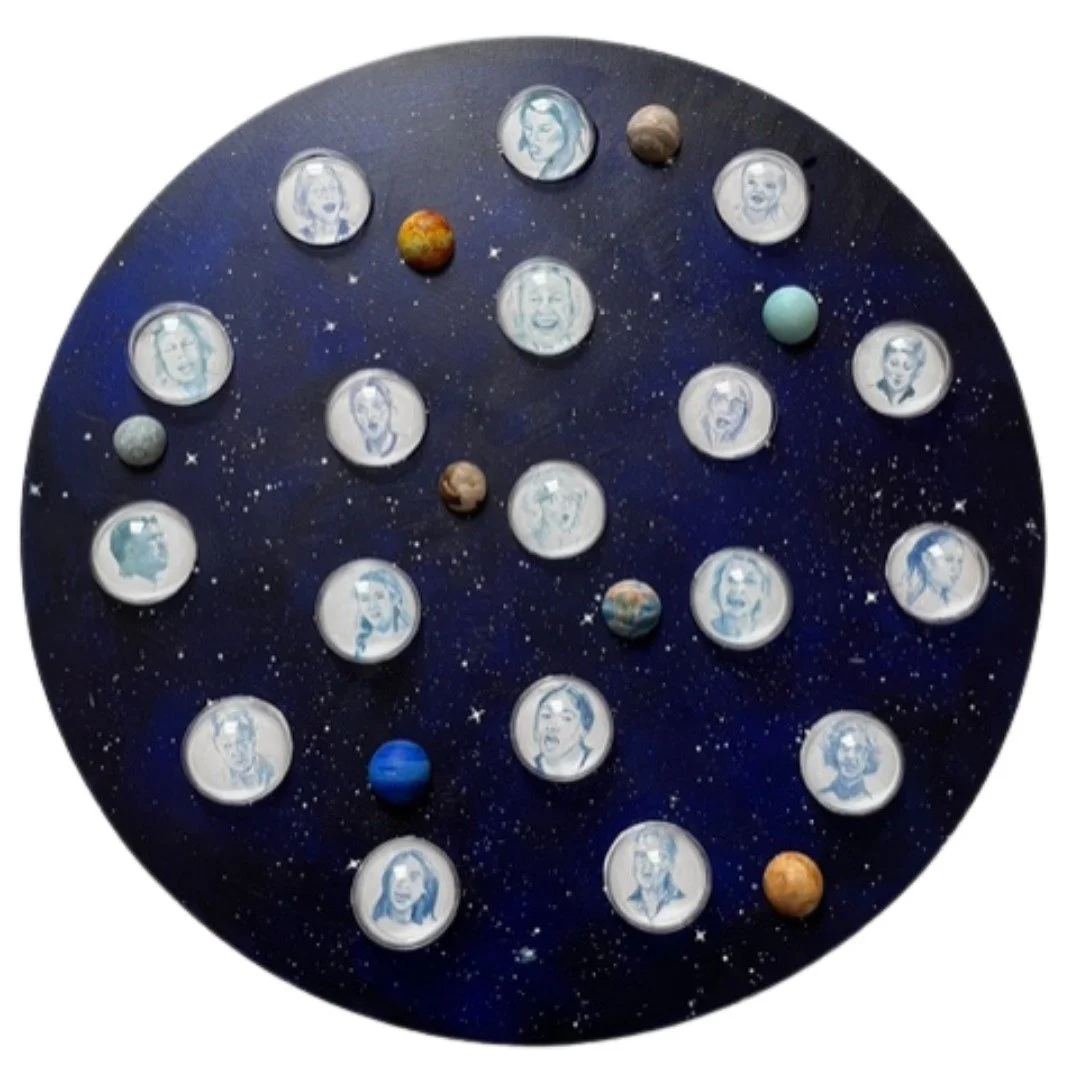
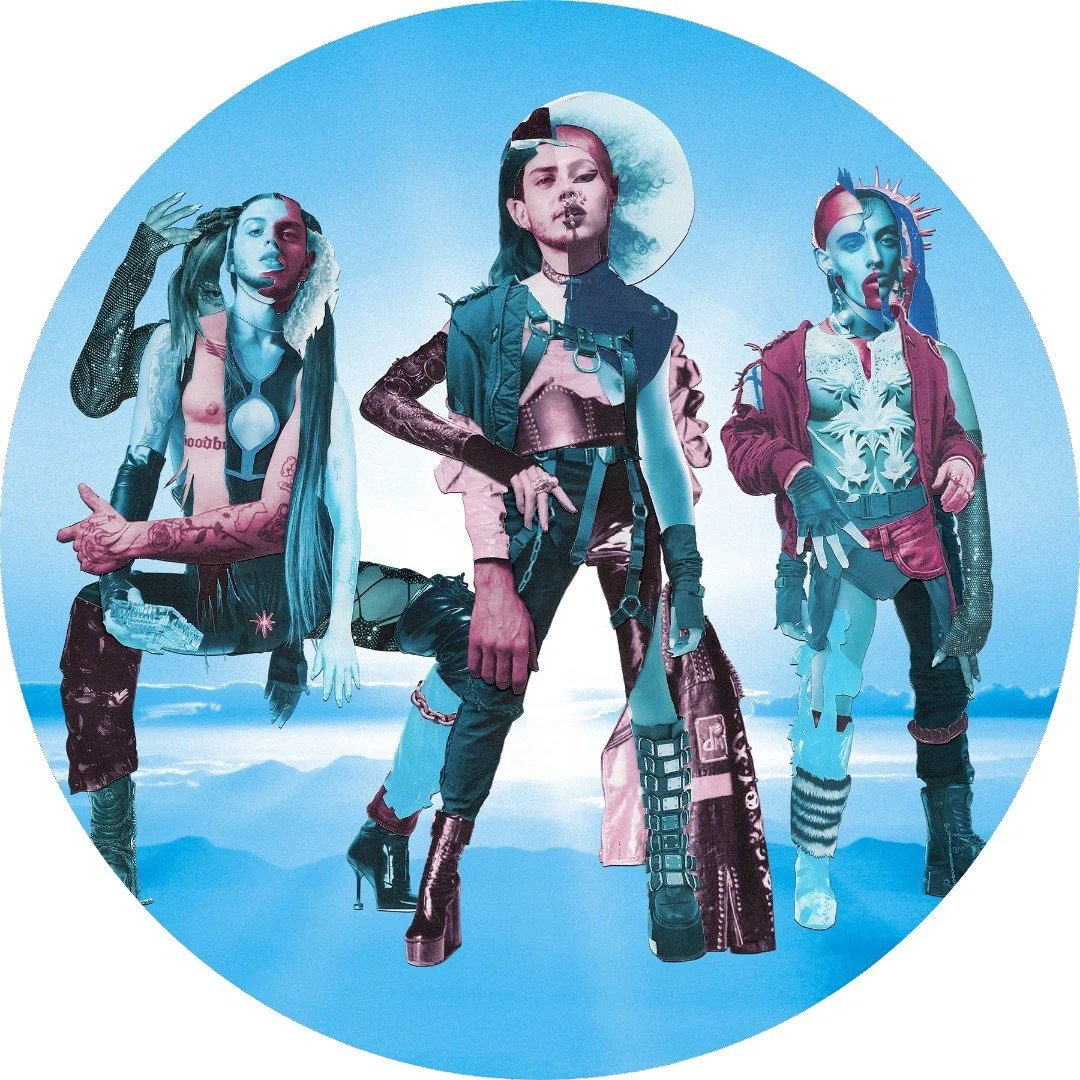
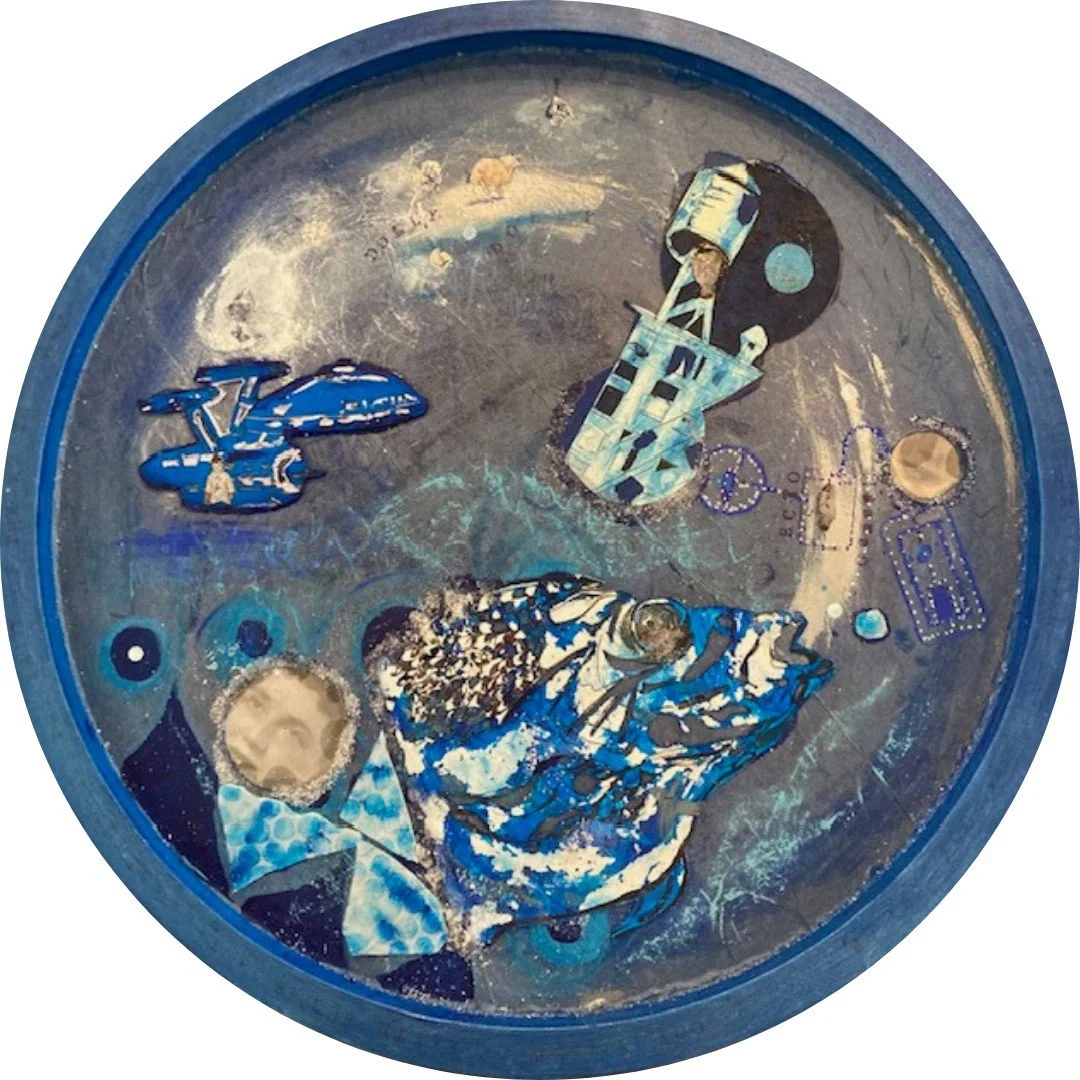
The exhibition is a story of three interwoven galaxies—distinct yet interconnected—fantasy and scientific inquiry converge. Viewers move between our Milky Way galaxy and two fantastical ones, encountering altered ecosystems and technologies. Adaptations blur the boundaries between the plausible and the imagined. Dystopian and utopia impulses intersect. This is what Margaret Atwood terms ‘ustopia’— a fragile balance where loss and possibility coexist, shaped by new forms of cooperation.
In placing climate change and planetary changes within speculative and fictional frameworks, Cum Grano Salis opens space for emotional, poetic, and critical engagement. The exhibition encourages viewers to consider how imagination, storytelling, and world-building might help reframe our understanding of environmental instability and change our relationship to our planet.
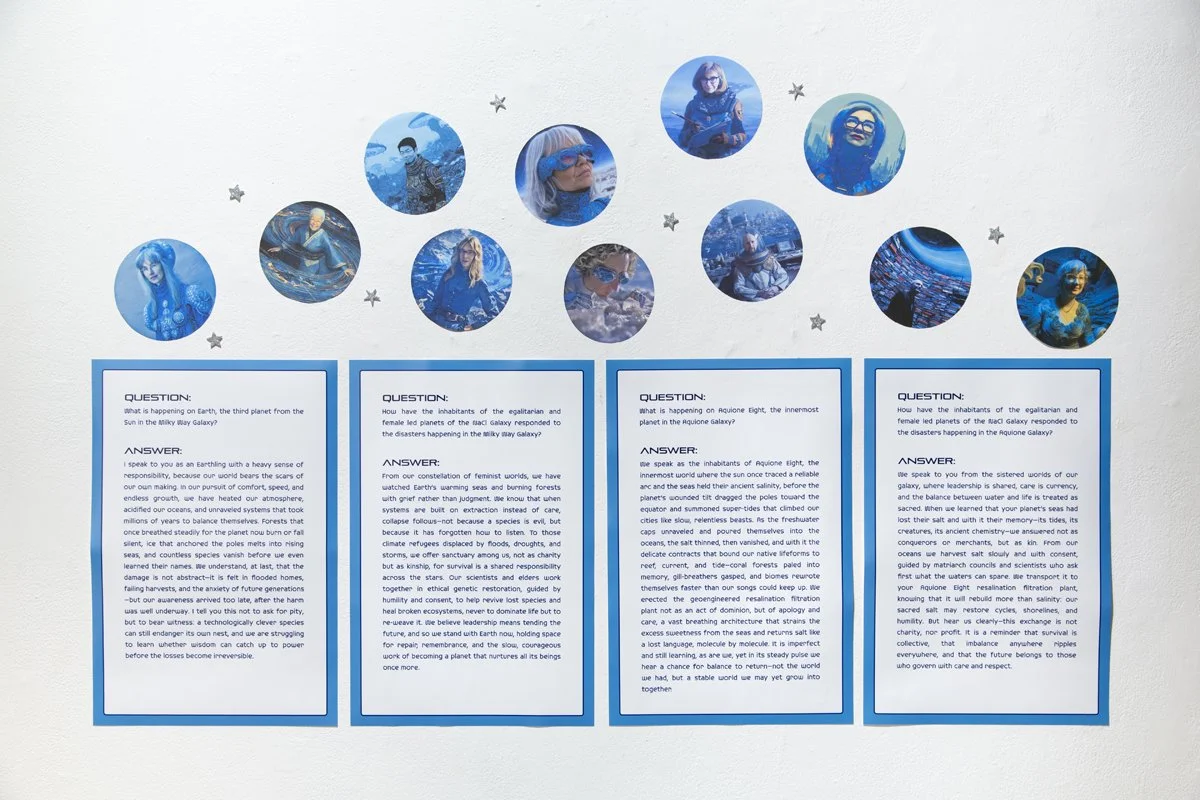
Question: What is happening on Earth, the third planet from the Sun in the Milky Way Galaxy?
Answer: I speak to you as an Earthling with a heavy sense of responsibility, because our world bears the scars of our own making. In our pursuit of comfort, speed, and endless growth, we have heated our atmosphere, acidified our oceans, and unraveled systems that took millions of years to balance themselves. Forests that once breathed steadily for the planet now burn or fall silent, ice that anchored the poles melts into rising seas, and countless species vanish before we even learned their names. We understand, at last, that the damage is not abstract—it is felt in flooded homes, failing harvests, and the anxiety of future generations—but our awareness arrived too late, after the harm was well underway. I tell you this not to ask for pity, but to bear witness: a technologically clever species can still endanger its own nest, and we are struggling to learn whether wisdom can catch up to power before the losses become irreversible.
Question: What is happening on Aquione Eight, the innermost planet in the Aquione Galaxy?
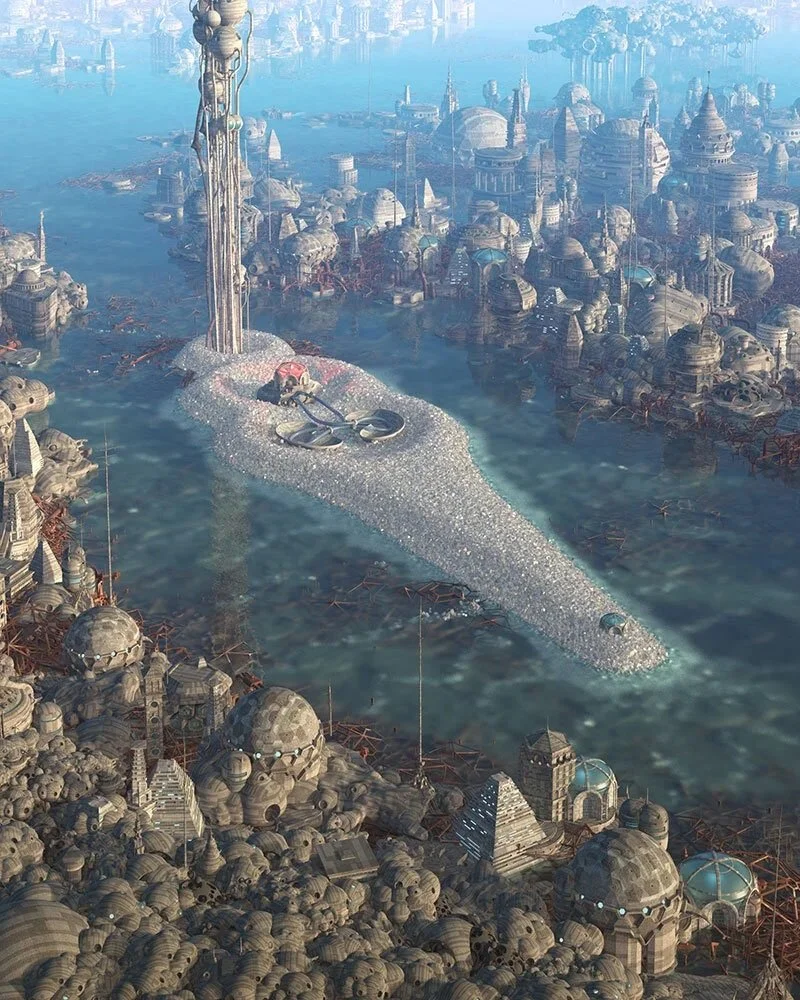
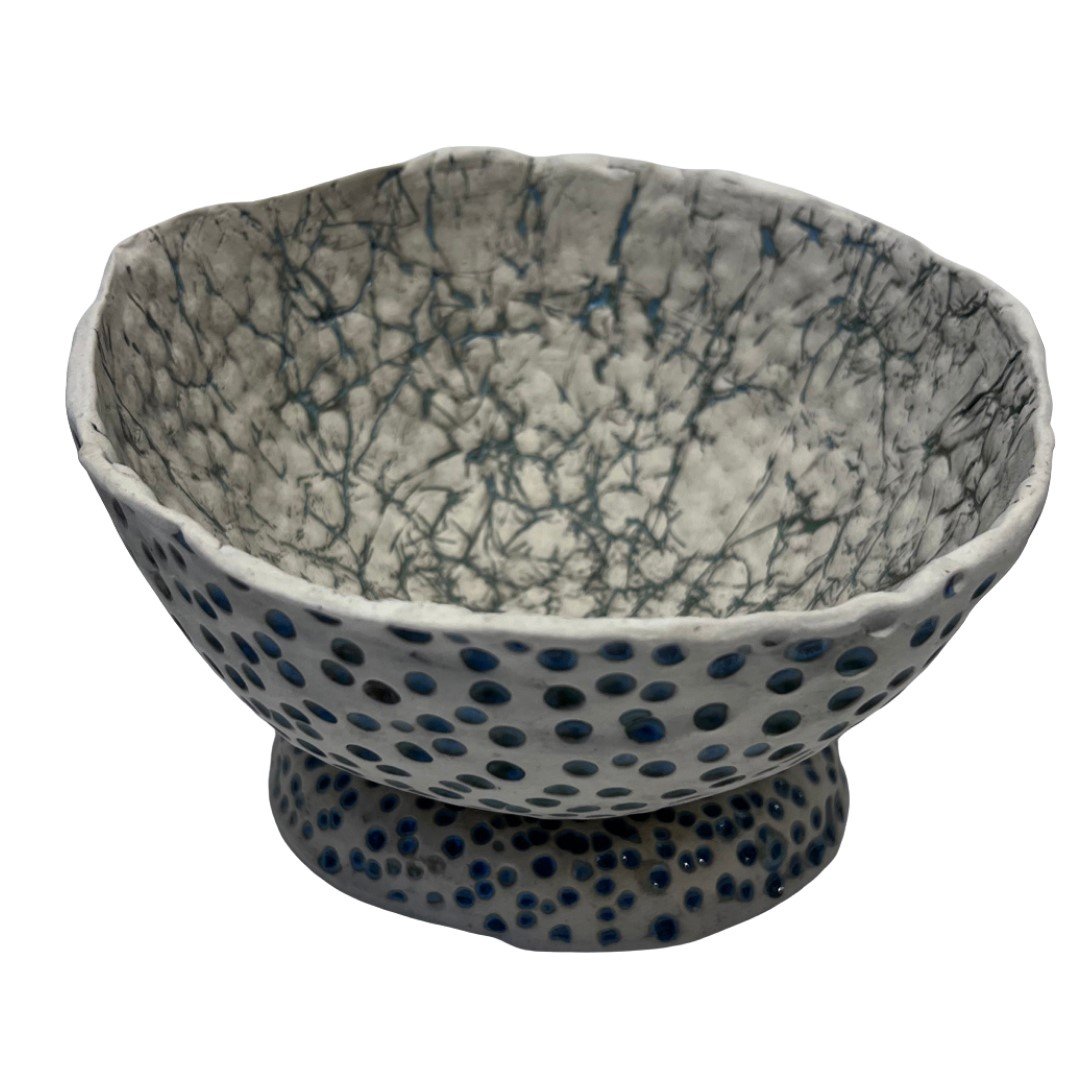
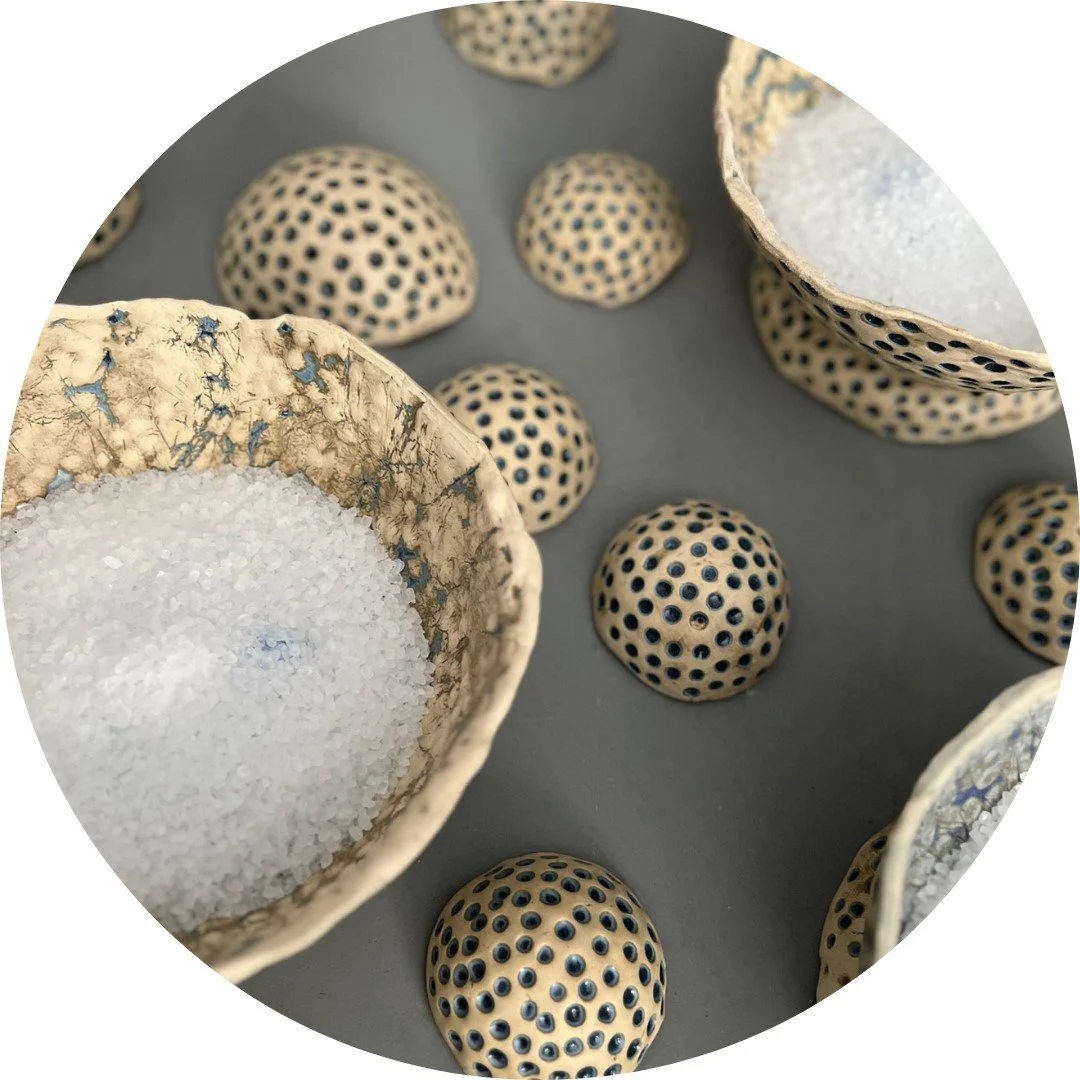
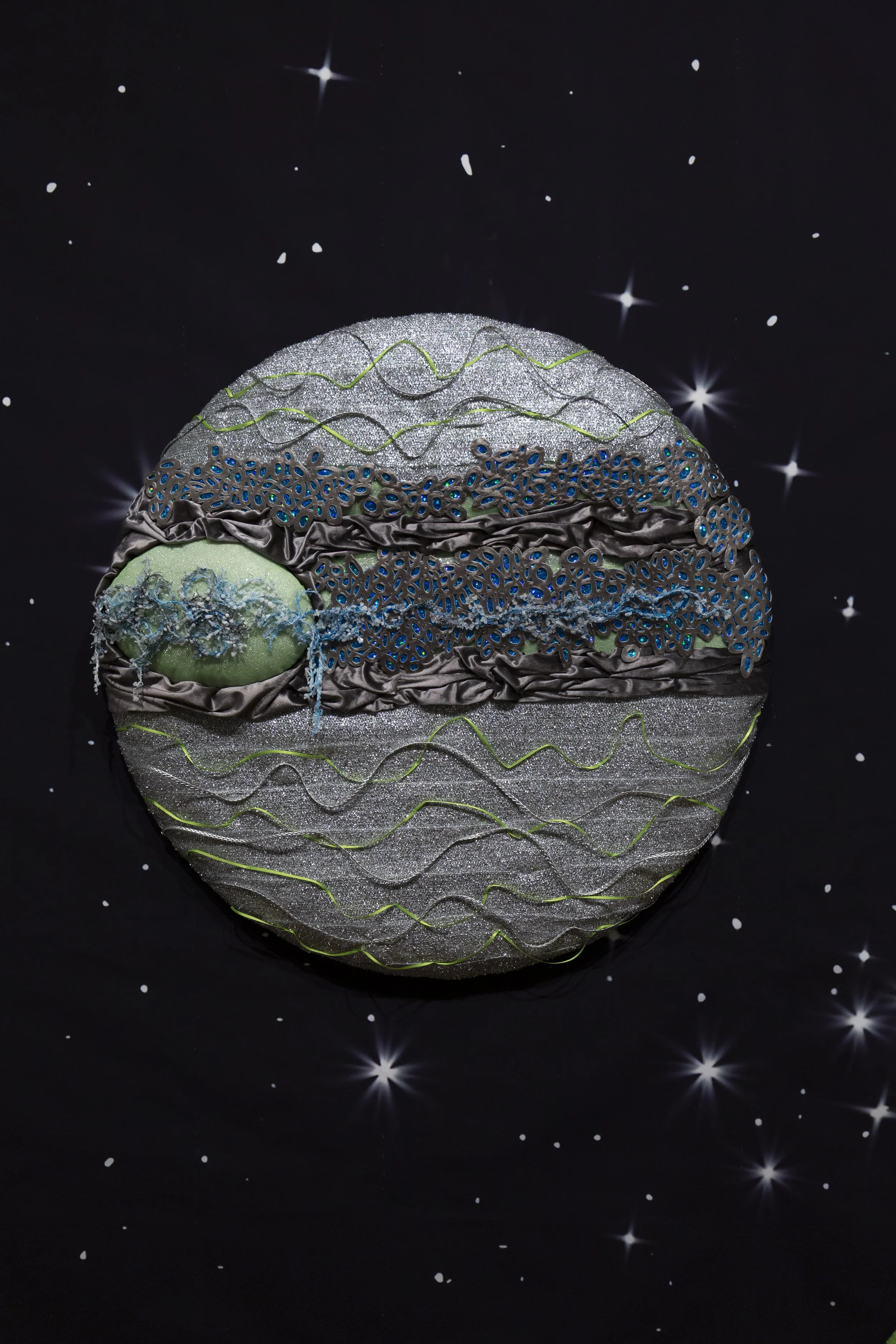
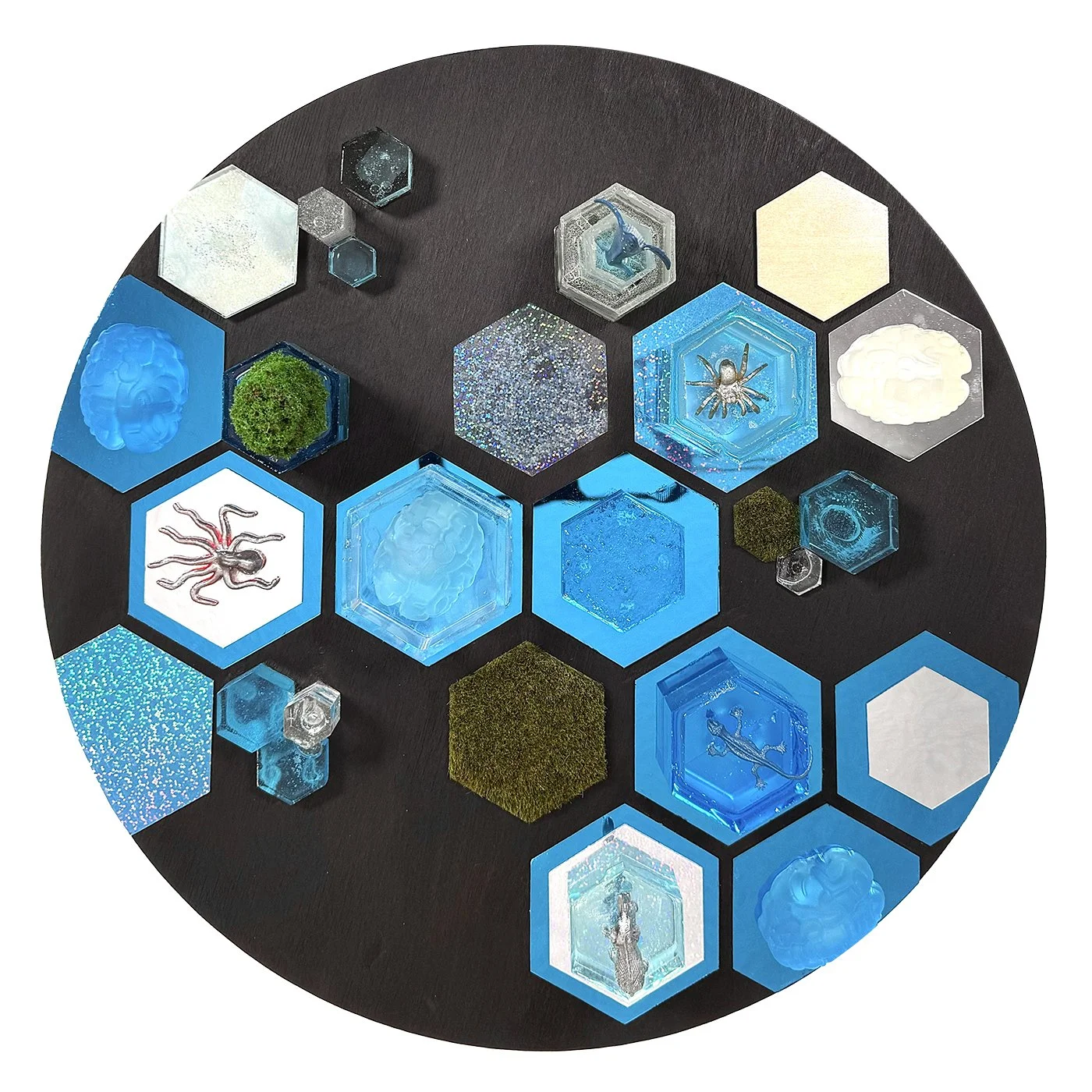
Answer: We speak as the inhabitants of Aquione Eight, the innermost world where the sun once traced a reliable arc and the seas held their ancient salinity, before the planet’s wounded tilt dragged the poles toward the equator and summoned super-tides that climbed our cities like slow, relentless beasts. As the freshwater caps unraveled and poured themselves into the oceans, the salt thinned, then vanished, and with it the delicate contracts that bound our native lifeforms to reef, current, and tide—coral forests paled into memory, gill-breathers gasped, and biomes rewrote themselves faster than our songs could keep up. We erected the geoengineered resalination filtration plant not as an act of dominion, but of apology and care, a vast breathing architecture that strains the excess sweetness from the seas and returns salt like a lost language, molecule by molecule. It is imperfect and still learning, as are we, yet in its steady pulse we hear a chance for balance to return—not the world we had, but a stable world we may yet grow into together.
Question: How have the inhabitants of the egalitarian and female led planets of the NaCl Galaxy responded to the disasters happening in the Milky Way Galaxy?
Answer: From our constellation of feminist worlds, we have watched Earth’s warming seas and burning forests with grief rather than judgment. We know that when systems are built on extraction instead of care, collapse follows—not because a species is evil, but because it has forgotten how to listen. To those climate refugees displaced by floods, droughts, and storms, we offer sanctuary among us, not as charity but as kinship, for survival is a shared responsibility across the stars. Our scientists and elders work together in ethical genetic restoration, guided by humility and consent, to help revive lost species and heal broken ecosystems, never to dominate life but to re-weave it. We believe leadership means tending the future, and so we stand with Earth now, holding space for repair, remembrance, and the slow, courageous work of becoming a planet that nurtures all its beings once more.
Question: How have the inhabitants of the egalitarian and female led planets of the NaCl Galaxy responded to the disasters happening in the Aquione Galaxy?
Answer: We speak to you from the sistered worlds of our galaxy, where leadership is shared, care is currency, and the balance between water and life is treated as sacred. When we learned that your planet’s seas had lost their salt and with it their memory—its tides, its creatures, its ancient chemistry—we answered not as conquerors or merchants, but as kin. From our oceans we harvest salt slowly and with consent, guided by matriarch councils and scientists who ask first what the waters can spare. We transport it to your Aquione Eight resalination filtration plant, knowing that it will rebuild more than salinity: our sacred salt may restore cycles, shorelines, and humility. But hear us clearly—this exchange is not charity, nor profit. It is a reminder that survival is collective, that imbalance anywhere ripples everywhere, and that the future belongs to those who govern with care and respect.